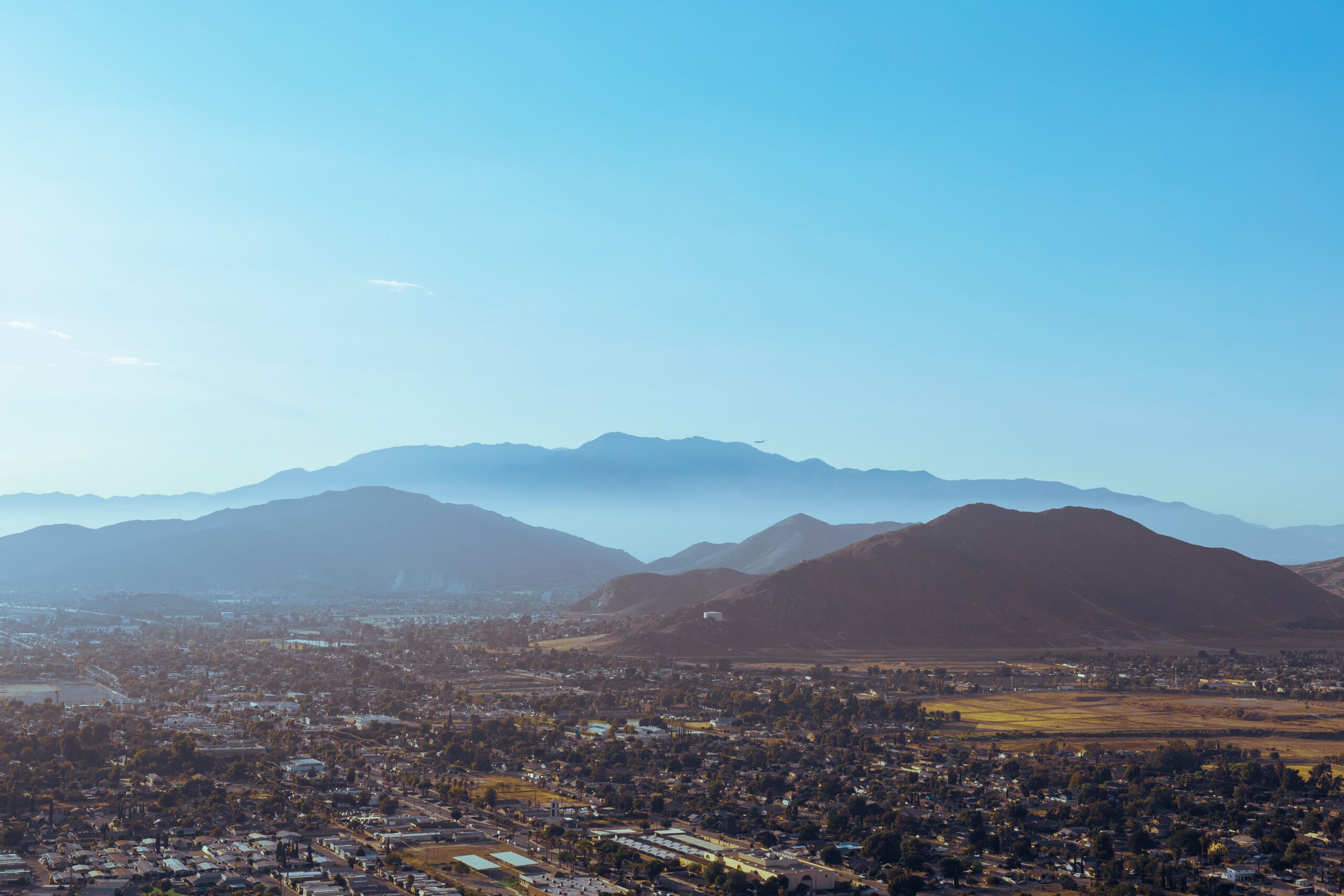
Highway in desert with sunset and mountains in the open desert

The Center for an Arizona Carbon-Neutral Economy

A Carbon-Neutral Future for the U.S. Southwest


The Center for an Arizona Carbon-Neutral Economy pursues a bold vision: A thriving, resilient Arizona by 2050—advancing collaboration, innovation, and shared opportunity to realize a carbon-neutral economy that strengthens communities, enhances economic opportunity, and supports enduring prosperity. 

We support cross-sector efforts that draw on Arizona’s regional strengths—including world-class solar resources, a growing manufacturing base, leading research institutions, and strong community leadership—to enhance long-term prosperity and resilience.

AzCaNE convenes Arizona’s public, private, Tribal, academic, and community collaborators, providing transparent analysis that helps assess and identify opportunities that contribute to long-term prosperity and resilience.

State of Arizona flag on billboard


Introducing Arizona Compass 2050

Arizona Compass 2050 (the Compass) is an Arizona-wide initiative that brings together evidence, expertise, and diverse perspectives to explore how Arizona’s economy can move toward being carbon-neutral by 2050—and to help decision-makers understand the opportunities, tradeoffs, and choices along the way.

Renewable Natural Gas: An Assessment of Arizona’s Resource Potential, Opportunities, and Obstacles

AzCaNE and Energy Vision have released a new assessment of Arizona’s renewable natural gas resource potential, opportunities, and obstacles. The paper examines landfill gas, animal manure, wastewater treatment systems, food waste, woody biomass, and selected low-carbon intensity hydrogen related pathways, with attention to resource availability, infrastructure needs, environmental performance, market conditions, and policy considerations. The analysis is intended to help policymakers, local governments, industry, utilities, and community stakeholders evaluate up-to-date opportunities and tradeoffs.

Latest News Highlights

University of Arizona wins $1M DOE grant to grow its critical minerals workforce

October 26, 2026 The University of Arizona has received $1 million from the U.S. Department of Energy to expand education for students pursuing mining degrees and boost the number of graduates in mining-related fields. The award comes through DOE’s new PROSPECT program, a $100 million initiative to strengthen the nation’s critical minerals workforce and domestic supply chain, with UA one of 16 universities each receiving $1 million. Schools that raise their graduate rates by 2028 could qualify for additional funding. Assistant Secretary Audrey Robertson announced the award during a visit to Freeport-McMoRan’s Sierrita Mine in Green Valley, calling it part of an “unprecedented attack” on the country’s shortfall in mining and critical minerals training. UA is one of just 14 accredited mining schools in the U.S.

Arizona recognizes Energy Efficiency Week and launches a new savings resource

October 5, 2026 Governor Katie Hobbs’ Office of Resiliency has recognized Arizona Energy Efficiency Week, running October 5–11, 2026, and launched a new resource to help residents cut their energy use and lower their bills. Through a proclamation, the state is spotlighting the energy efficiency programs available to Arizonans as households face rising electricity costs and extreme summer heat. The new resource brings those programs together in one place, making it easier for residents to find ways to save energy and money. The effort is part of the Office of Resiliency’s broader work to advance an affordable, reliable, and clean energy economy for Arizona.

Utah’s Fervo Cape Station becomes the world’s first commercial enhanced geothermal plant

October 1, 2026 Fervo Energy’s Cape Station in Beaver County, Utah has reached commercial operation, becoming the world’s first utility-scale enhanced geothermal (EGS) project to deliver power to the grid. The milestone comes from the first 33-megawatt “GeoBlock” of the roughly 100-megawatt first phase, built and commissioned in just 23 months. Unlike conventional geothermal, EGS engineers a fluid pathway through hot dry rock and circulates water to capture heat, producing reliable, 24/7 carbon-free electricity in places without natural reservoirs. Cape Station already has hundreds of megawatts contracted to buyers including Google and Shell. The achievement validates next-generation geothermal as a scalable source of firm clean power — a technology Arizona is actively working to develop as part of its own energy strategy.

Horseshoe Bend in the Grand Canyon, Arizona

Connect with AzCaNE

Join our mailing list to get updates on our progress.

Name(Required)
This site is protected by reCAPTCHA and the Google Privacy Policy and Terms of Service apply.