
Thought Pieces
A closer look at the work, insights and visuals shaping our conversations about a carbon-neutral economy in Arizona
Explore AzCaNE’s contributions to the field of carbon-neutrality. Our projects are designed to inform and involve both stakeholders and the general public about the latest research AzCaNE is undertaking on the path to reaching a carbon-neutral economy by 2050.

AzCaNE’s Frameworks
The Four Lenses
About the Four Lenses….
Analyzing Environmental and Economic Value
The analysis explores methane mitigation opportunities, carbon intensity metrics, wildfire risk reduction from woody biomass and community benefits such as job creation and local investment. It also examines Arizona’s policy and regulatory landscape, highlighting opportunities and barriers to renewable natural gas deployment.
Informing Pathways Forward
By identifying key use cases—such as transportation, industrial processes and power generation—and estimating potential price ranges, the study will inform future decision-making.
Viewing carbon-neutrality through multiple lenses to build a balanced clean-energy future
At AzCaNE, we recognize that achieving a carbon-neutral economy requires balancing the diverse perspectives that shape policy and project decisions. These lenses represent critical viewpoints influencing how we evaluate pathways like low-carbon intensity H2 and their roles in carbon reduction. By thoughtfully considering each of these lenses, AzCaNE pursues an inclusive approach, aligning environmental responsibility with economic feasibility, energy security and social equity to achieve meaningful decarbonization across Arizona and beyond.

Environmental Lens
The environmental lens prioritizes reducing ecological impacts, protecting natural resources and minimizing emissions to combat climate change. This perspective emphasizes stringent policy regulations from the outset, ensuring that energy production contributes effectively to both short-term environmental benefits and long-term carbon-neutrality goals. Relaxing these standards risks compromising immediate environmental integrity and undermining broader climate objectives.

Economic Lens
The economic lens centers on cost-effectiveness, financial sustainability and responsible capital use to foster long-term economic growth. From this viewpoint, overly restrictive regulations and high compliance costs may hinder market development and industry innovation. Flexibility in regulatory frameworks helps ensure broad geographical investment, equitable economic opportunity, reduced operational complexities and sustained industry growth nationwide.
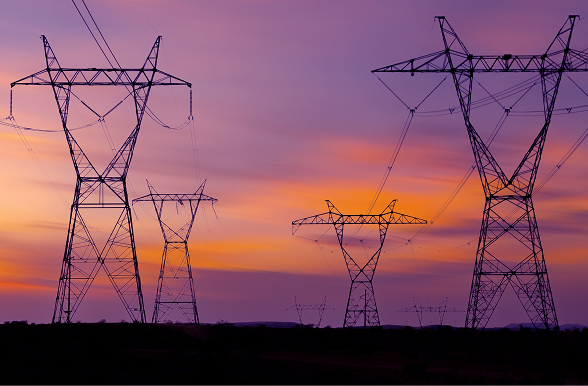
Security and Resiliency Lens
This lens highlights the need for a resilient, diverse and reliable energy system to strengthen national security and infrastructure stability. It emphasizes integrating multiple energy solutions, including long-duration energy storage, to maintain a consistent supply during fluctuations or disruptions. A balanced regulatory approach is critical to ensuring that energy transitions simultaneously enhance security, resilience, economic practicality and environmental goals.
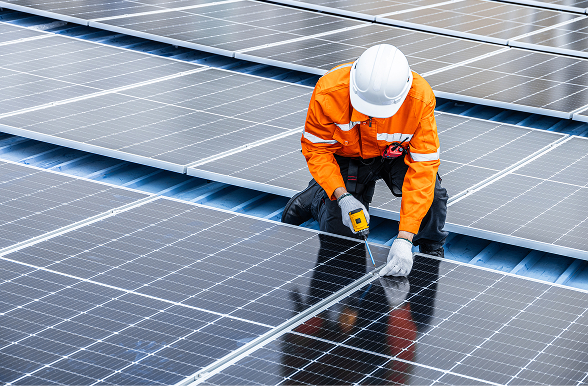
Social Lens
The social lens prioritizes human welfare, equity and social justice, ensuring initiatives actively improve quality of life and are accessible across all communities. This perspective supports policies and projects that generate employment, promote energy justice, reduce energy poverty and foster local economic and community development. Inclusive and equitable approaches to energy transitions are foundational to achieving socially just decarbonization outcomes.

Renewable Natural Gas, An Assessment of Arizona's Resource Potential, Opportunities, and Obstacles
AzCaNE and Energy Vision have released a new assessment of Arizona’s renewable natural gas resource potential, opportunities, and obstacles. The paper examines landfill gas, animal manure, wastewater treatment systems, food waste, woody biomass, and selected low-carbon intensity hydrogen related pathways, with attention to resource availability, infrastructure needs, environmental performance, market conditions, and policy considerations. The analysis is intended to help policymakers, local governments, industry, utilities, and community stakeholders evaluate up-to-date opportunities and tradeoffs.

Treasury’s Rules for the Clean Hydrogen Production Tax Credit
Producing low-carbon-intensity hydrogen in Arizona currently costs between $4.50 and $12 per kilogram, making it expensive compared to traditional fuels. A new federal tax credit offers up to $3 per kilogram to help lower these costs, but recent Treasury guidelines maintain strict rules that limit Arizona’s ability to fully leverage its solar resources and infrastructure. While the rules provide some flexibility, the final framework makes it challenging for Arizona projects to fully benefit from the incentive. AzCaNE will continue convening stakeholders to navigate these conditions and promote sustainable hydrogen in Arizona’s carbon-neutral future.

Water Considerations Related to Clean Hydrogen in Arizona
Supplying all heavy-duty trucking and 5% of Arizona’s electricity with low-carbon-intensity hydrogen in 2050 would consume around 15,500 to 34,250 acre-feet of water each year. This equals roughly 0.5 % of today’s statewide demand, or 4 to 9 gallons per kilogram of hydrogen. Sustainable supply is influenced by groundwater drawdowns, scarce reclaimed water, complex surface-water rights and similar factors. AzCaNE convenes utilities, tribal nations, industry and regulators to navigate these trade-offs and ensure future hydrogen projects align with Arizona’s long-term water resilience.

AzCaNE’s Position on Treasury’s Clean Hydrogen Production Tax Credit
Check out our infographic summarizing AzCaNE’s recommendations and position on the Treasury’s 45V proposed clean hydrogen production tax credit rules.

Arizona's Hydrogen Frontier: Navigating Clean Energy and Water Sustainability
Check out our infographic showcasing the findings from our Water Considerations Related to Clean Hydrogen in Arizona white paper.